
Art Museums and Human Flourishing: Research, Practice, and Civic Impact
Art museums are increasingly being called upon to demonstrate not only cultural value but also social impact. Growing empirical evidence from psychology and public health suggests that the arts and cultural engagement can contribute meaningfully to human flourishing—the capacity for individuals and communities to live meaningful, connected, and fulfilling lives.
This lecture examines what research tells us about the relationship between art museums and flourishing, and explores the unique role art museums play as civic institutions. Drawing on empirical research and examples from local museums, Katherine Cotter, the director of research for the Humanities and Human Flourishing Project at the University of Pennsylvania, considers how museums support several dimensions of flourishing, such as social functioning, emotional well-being, and mental health. She’ll also address emerging opportunities for museums to articulate and assess their impact in ways that resonate with contemporary social and civic priorities.
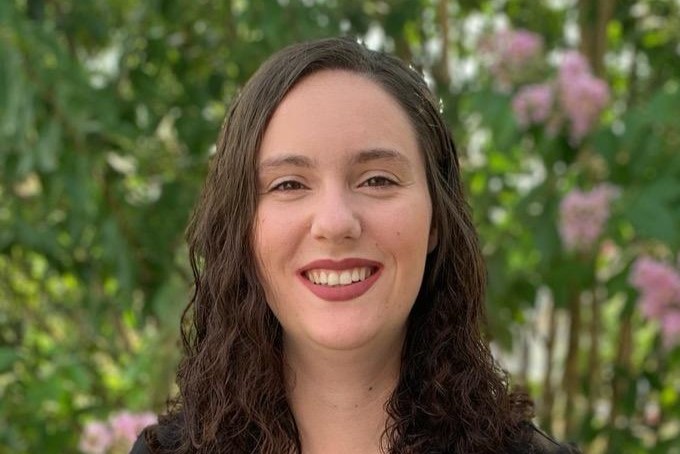
Katherine N. Cotter, PhD, is a psychologist whose research examines how engagement with cultural institutions contributes to human flourishing. Her work integrates insights from psychology, cognitive science, empirical aesthetics, and museum studies to better understand the mechanisms through which cultural experiences help people thrive. Through her research and public engagement, she works with cultural organizations to translate flourishing research into practical strategies to strengthen visitor experiences and community impact. She currently serves as the director of research for the Humanities and Human Flourishing Project at the University of Pennsylvania.