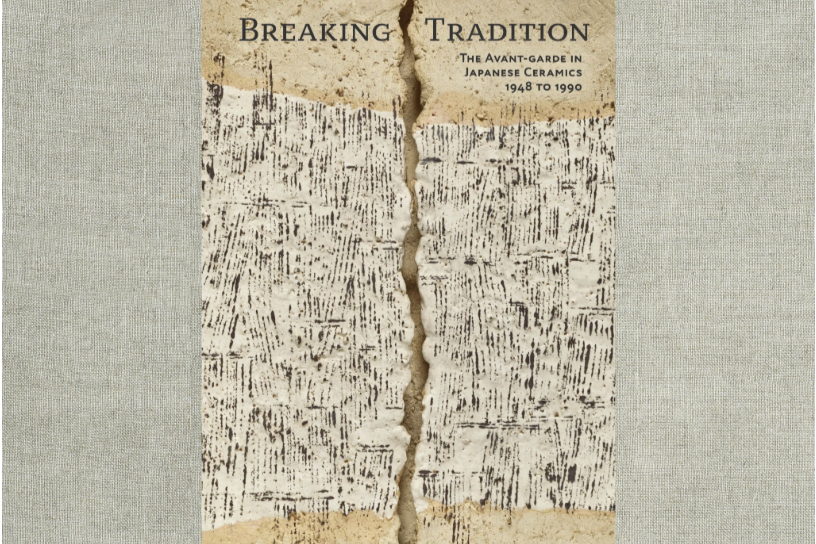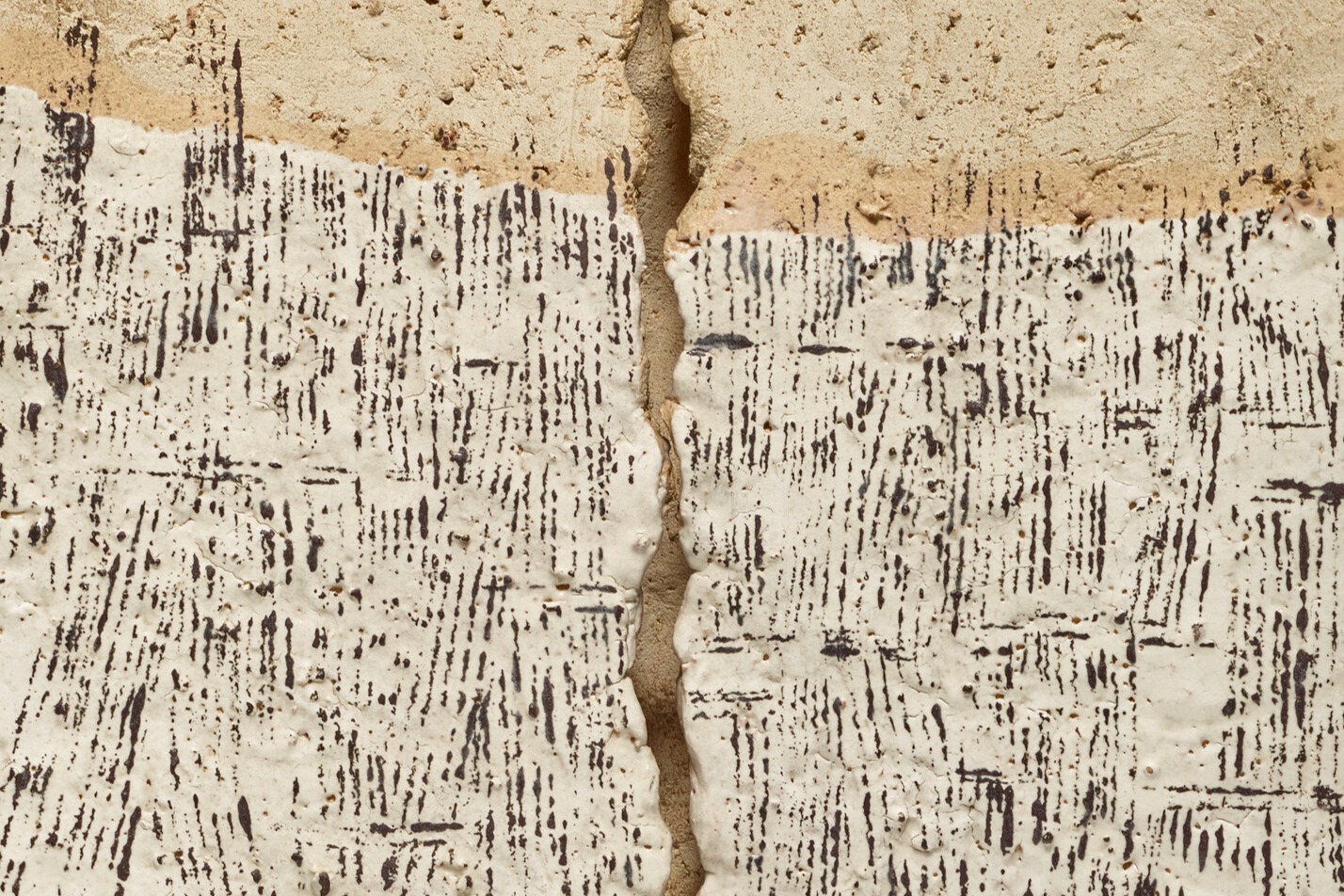
Breaking Tradition: The Avant-Garde in Japanese Ceramics, 1948 to 1990
October 24, 2026 - February 7, 2027
Mary Griggs Burke Gallery of Japanese Art (251–253)
Free Exhibition
For many Japanese artists, the process of conceptualizing and producing an artwork underwent fundamental, widespread change after the end of World War II in 1945. The strong emphasis on continuity was abandoned by some in favor of a radical new path, previously unheard of, especially in the crafts section.
The birth of an avant-garde and formal declaration for innovations is notable throughout different media. One approach for avant-garde artists was to create sculptures instead of functional objects. In 1948, a group of five ceramic artists, among them Yagi Kazuo (1918–1979), Yamada Hikaru (1923–2001), and Suzuki Osamu (1926–2001), founded Sōdeisha, literally the Crawling through Mud Association. The Sōdeisha group was active until 1998. While more than 60 artists were members at some point, not every ceramic artist who created innovative sculptures joined. Artists like Kawamoto Gorō (1919–1986) and Morino Taimei (born 1934) preferred to work independently and pursued their own paths.
Individualism is a key factor in Japanese contemporary ceramics today. This exhibition sheds light on the beginning of the break with Japanese ceramics traditions by showcasing works from independent artists and Sōdeisha members created before 1990.
Generous support is provided by the Joan B. Mirviss and Robert J. Levine Endowment Fund for Japanese Ceramics and the Gale Family Endowment—named for a generous gift from Alfred P. Gale—which strengthens the Minneapolis Institute of Art’s efforts to reach a spectrum of audiences through a variety of programs, events, exhibitions, and publications focused on the museum’s renowned collection of Asian Art.