
Mia x MACC Self-Guided Tour
Celebrate Conservation at Mia
Spanning 5,000 years of world history, Mia’s collection requires dedicated care to withstand the test of time. Behind the scenes, art conservators clean, repair, and stabilize fragile objects, ensuring works remain on view for years to come. Many pieces at Mia have been treated by the Midwest Art Conservation Center (MACC) and are on display through their meticulous craft, care, and expertise.
Paper copies of this tour are also available at Mia’s welcome desk.
Shiva Nataraja (Lord of the Dance), c. 1100 (Gallery 211)
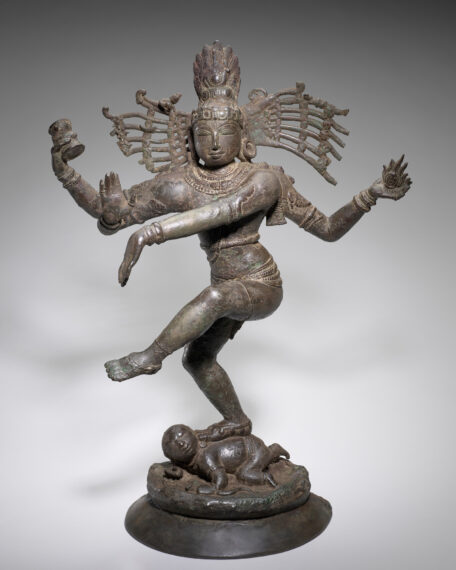
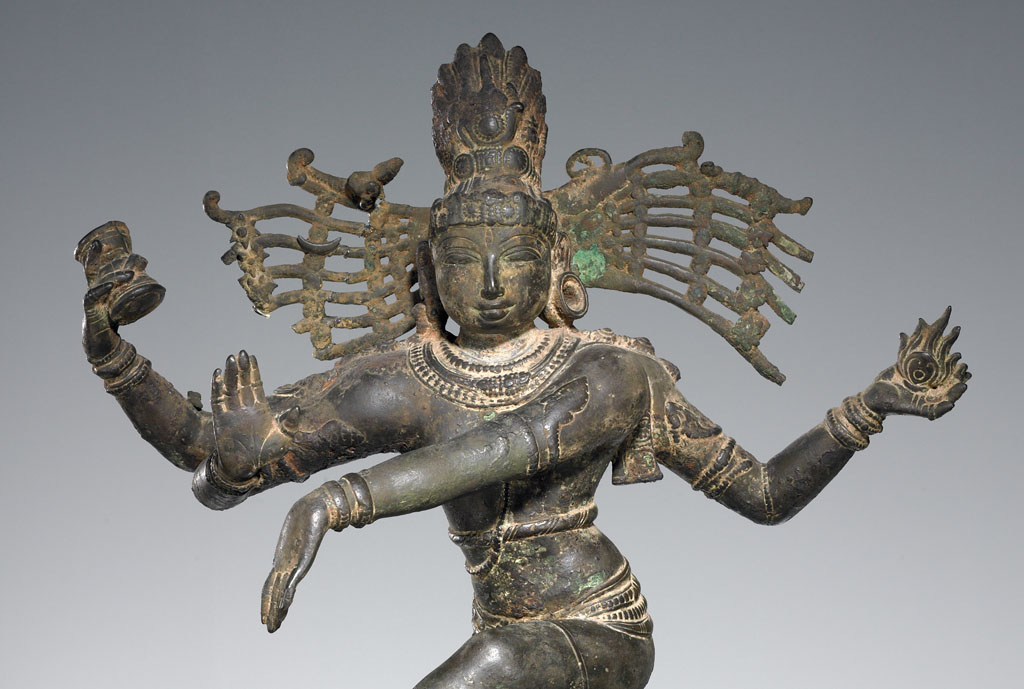
India, Shiva Nataraja (Lord of the Dance), c. 1100. India. Chola period. Bronze. Gift of Mrs. E. C. Gale. 29.2 Gallery 211
Set in a graceful cosmic pose, Shiva as Nataraja hides a modern rescue story right beneath his feet. Notice the mix of smooth and weathered metal at the base? A previous lead repair had slowly collapsed under the weight of the nearly 1,000-year-old statue. The smooth section is a fresh, skillfully made repair that not only saves the artwork, but secures Shiva’s eternal dance for decades to come.
Christi Belcourt, It’s a Delicate Balance, 2021 (Gallery 259)
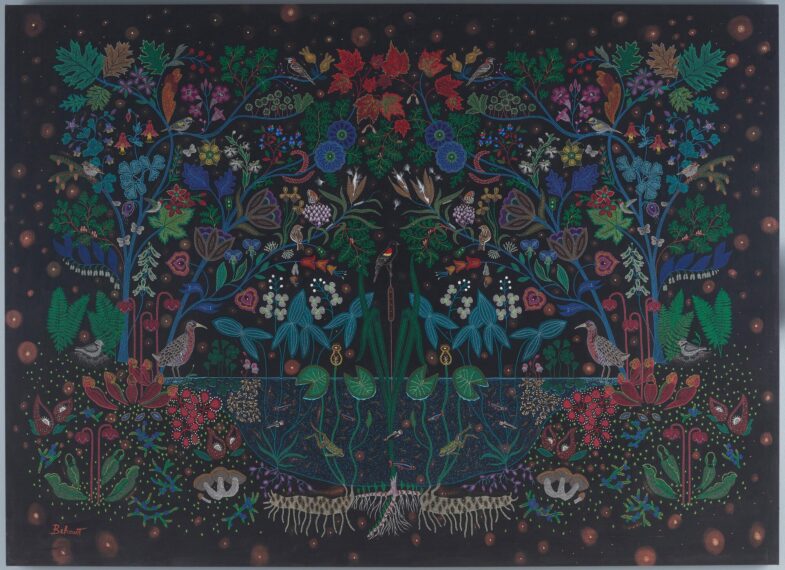
Christi Belcourt, Canadian, Métis (b. 1966). It’s a Delicate Balance, 2021. Acrylic on canvas. Gift of funds from Andy and Meg Ubel in honor of Mia’s Docent Class of 2015. 2021.30. © Christi Belcourt
An artist’s imagination often expands beyond typical canvas sizes. In Christi Belcourt’s It’s a Delicate Balance, this large painting was created on canvas that was stapled directly to the studio wall. With the artist’s guidance, MACC conservators stretched the canvas onto a custom-built stretcher—a wooden support tool that keeps the canvas at tension and allows it to safely be on display.
Frank Stella, Tahkt I Sulayman Variation II, 1969 (Gallery 280)

Frank Stella (American, 1936–2024), Tahkt-I-Sulayman Variation II, 1969, acrylic on canvas. Gift of Bruce B. Dayton, 69.132
This iconic piece in Mia’s collection has a reputation and fandom as outsized as the work itself. Since the artist mounted this painting on a rigid wooden frame (called a strainer), conservators couldn’t easily adjust the canvas tension. To fix this, MACC conservators painstakingly pulled 646 staples from the edges and restretched the painting onto a new, custom-built stretcher to give it proper tension.
See more about the conservation of Frank Stella’s Tahkt-I-Sulayman Variation II.
Giovanni Battista Piranesi, Rezzonico Pier Table, 1768 (Gallery 353)
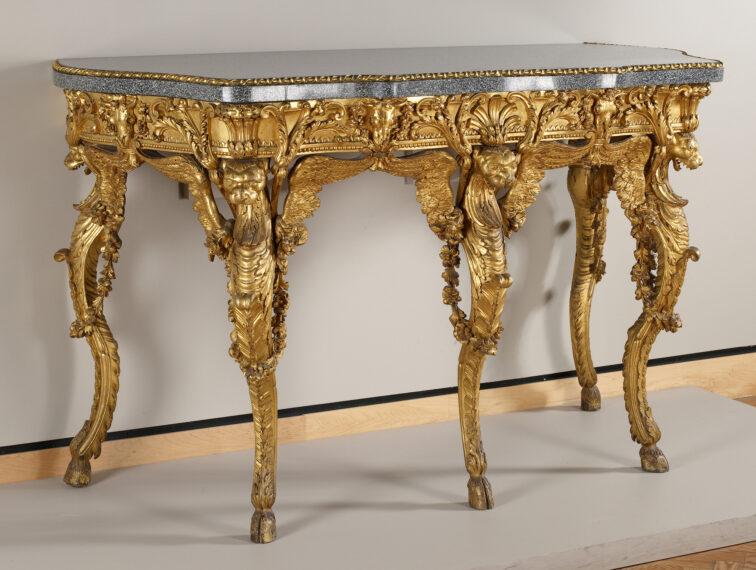
Giovanni Battista Piranesi, Designer, Italian, 1720–1778. The Rezzonico Pier Table, c. 1768. Oak, limewood, marble, gilt. The Ethel Morrison Van Derlip Fund. 64.70
This elaborate pier table has a long repair history. Guided by a special UV light examination, conservators removed grime, stabilized insect damage, and reinforced vulnerable structural elements. This treatment not only made the work safe for display, but helped to clean and clarify details and decorative elements, returning the piece to its original splendor.
See more about the conservation of Piranesi’s Rezzonico Pier Table.
Salviati Tapestry, Meeting of Dante and Virgil, 1546 (Gallery 330)
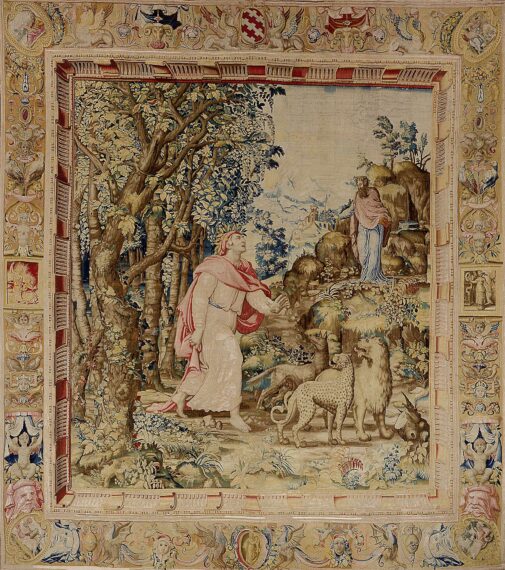
Francesco Salviati (cartoonist) (Italian [Florence], 1510–1563), The Meeting of Dante and Virgil, 1546–49, wool, silk, tapestry weave. Gift of Mrs. C.J. Martin for the Charles Jairus Martin Memorial Collection,15.35
See more about the conservation of Back from the Underworld: Mia’s Dante Tapestry Restored.
Guido Reni Cartoon, Allegory of Fire and Air, 1614 (Gallery 310)
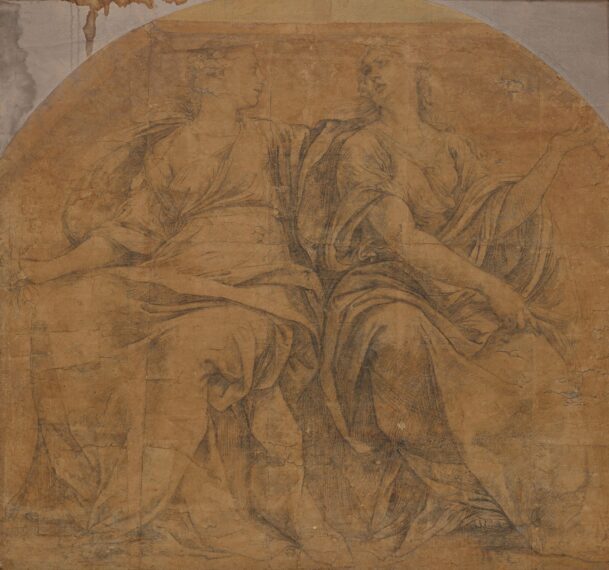
Guido Reni, Italian (Bologna), 1575–1642. Allegory of Fire and Air (cartoon for a fresco), c. 1614. Black chalk on fifteen joined pieces of paper, laid down on canvas. The James Ford Bell Foundation Endowment for Art Acquisition and the Marguerite S. McNally Endowment for Art Acquisition. 2024.46
This larger-than-life drawing is made of multiple sheets of overlapping paper and layers of fabric lining. Over the past 400-plus years, many areas of paper had separated from each other and the supporting fabric, leaving them vulnerable to breaking and being lost. Working one piece at a time, MACC paper conservators re-adhered the delicate paper and fabric layers to each other and cleaned significant dust and grime off of the surface to restore the intricate sketch below.
See more about the conservation of the a Cartoon for a Fresco, Two Female Allegories Representing Fire and Air.
Attributed to Agostino Zoppo, Saint Matthew and the Angel, c. 1570 (Gallery 313)
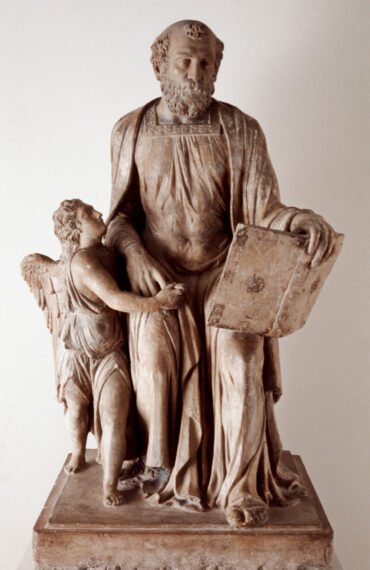
Attributed to Agostino Zoppo, Italian (Padua), c. 1520–1572; Formerly attributed to Francesco Segala, Architect, Italian (Padua), c. 1533–92. Saint Matthew and the Angel, c. 1570. Terracotta, with traces of polychrome. The John R. Van Derlip Fund. 76.1
Time hasn’t been gentle to this delicate terracotta statue, marked by a history of fractures and mends. By delicately removing layers of dirt while carefully preserving precious flecks of original pigment, the MACC objects lab was able to restore remnants of the bright paint that once covered it entirely.
Jan Cossiers, Adoration of the Shepherds, 1657 (Gallery 312)
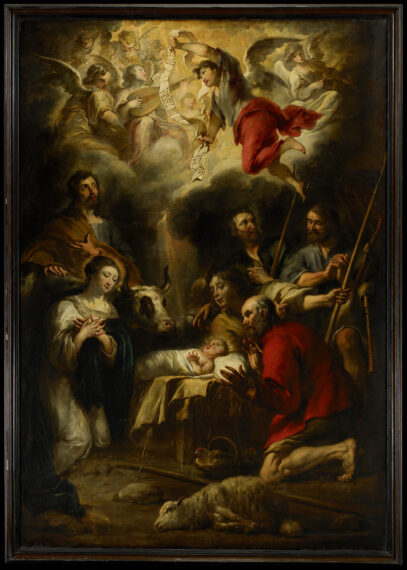
Jan Cossiers, Flemish, 1600–1671. Adoration of the Shepherds, 1657. Oil on canvas. The Ethel Morrison Van Derlip Fund. 71.2
This painting lived many lives before its recent conservation. Beneath layers of discolored varnish and heavy overpaint from previous restoration attempts lay the artist’s true hand, obscured and forgotten for decades. By carefully taking away those layers, MACC conservators finally brought the original work back into the light by uncovering the details of the artist’s intent.
See more about the conservation of The Adoration of the Shepherds, Jan Cossiers.