
From Fair Grounds to Fine Art Museum: Top 5 “Best in Show” Crop Art Creations at Mia
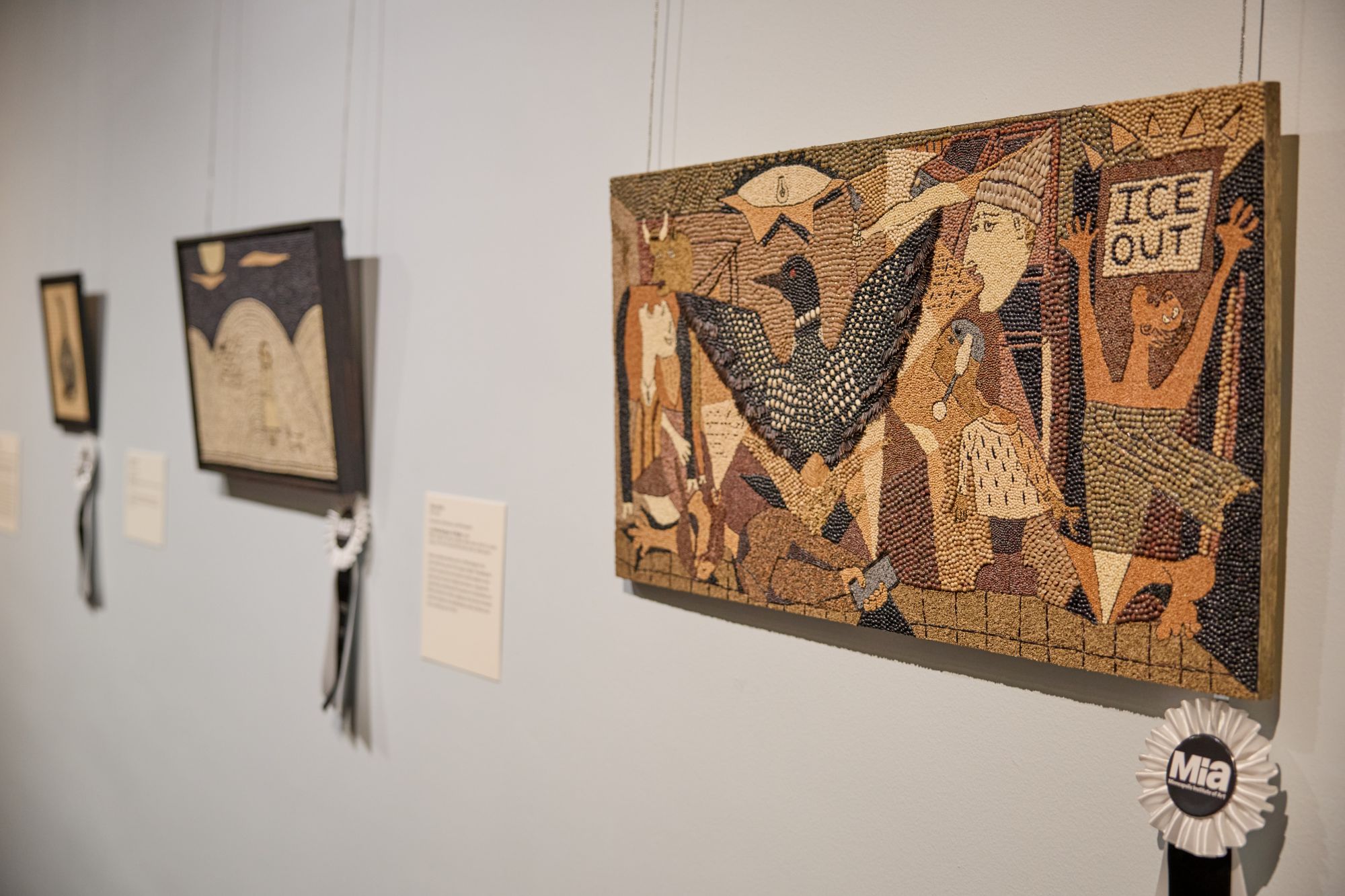
October 19, 2026—Fresh from the 2026 Minnesota State Fair, crop art is once again center stage at Mia. The beloved local tradition of using seeds, grains, and organic materials to create intricate works of art has become almost synonymous with the Great Minnesota Get-Together. Now, 31 standout pieces from the fair are at Mia in “Cream of the Crop: The Second Harvest,” on view through November 29, 2026.
Judged by Mia curators, the exhibition features five category winners—four works chosen for “Best Interpretation of a Hidden Gem at Mia,” and an overall “No. 1 Mia Favorite,” a piece celebrating exceptional creativity, craftsmanship, and seed-sorting artistry.
Take a closer look at five of the exhibition’s top works, with insights from the artists about the ideas, sources of inspiration, and process behind each piece.
No. 1 Mia Favorite
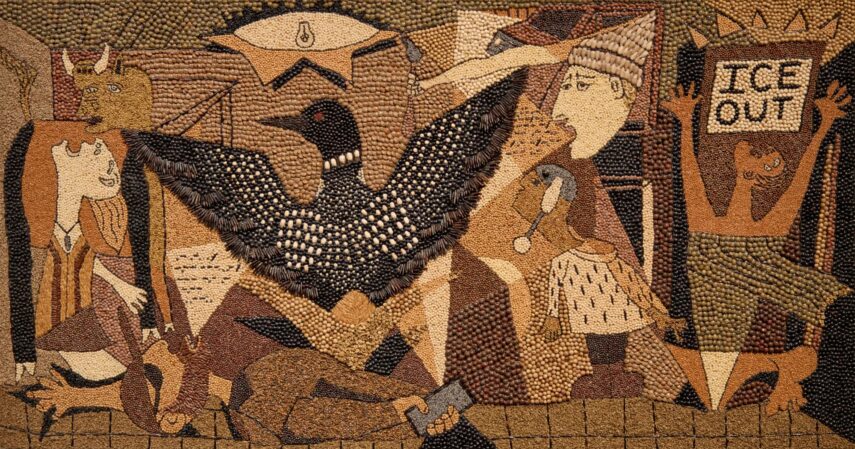
No. 1 “Mia Favorite” original creation showing exemplary creativity, craftsmanship, and artistry. Pablo Ruiz Picasso, Guernica, 1937
Jennifer B Nelson
Born 1982
Fridley, Minnesota
Twin Cities 2026 (Guernica 1937), 2026
Materials: alfalfa, amaranth, arugula, asparagus, barley, basil, black beans, black lentils, broccoli, brown lentils, brown mustard, buckwheat, canola, celery, common vetch, coriander, crimson clover, daikon radish, fennel, flax, French lentils, golden flax, millet, onion, poppy, radish, red millet, sorghum, sunflower, sugar beet, thistle, Timothy, white millet, wild rice, winter camelina, and yellow mustard on wood
This piece was inspired by Pablo Picasso’s Guernica, reframing it to tell the story of the 2026 ICE occupation of the Twin Cities. The imagery represents the destructive occupying force (bull), Minnesota’s resistance (loon) neighbors showing up in vests with whistles to stand watch on the corners of immigrant business districts, protesters, and three terrible moments that became flashpoints for the nation: the deaths of Alex Pretti and Renee Good and the taking of little Liam in his bunny hat.
Like Guernica, it shows that ordinary people pay the price when aggressive regimes try out new tactics of war. The juxtaposition of darkness and light reflects the reality of living such an experience and the inspirational resistance that arose to defend our communities and protect our neighbors in response.
No. 1 Hidden Gem at Mia
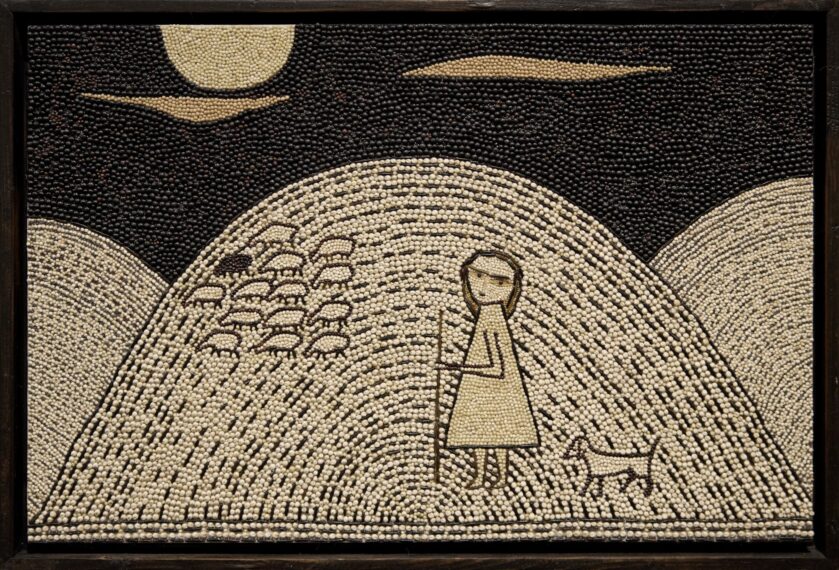
No. 1 Best interpretation of a Hidden Gem at Mia. Minami Keiko, La petite bergère (Young shepherdess), 1957
Diane Klein
Born 1957
Rochester, Minnesota, and Minneapolis
La Petite Bergère–At Night, 2026
Materials: millet, sorghum, yellow mustard, white clover, wild rice, canola, poppy, onion skin, black lentils, black quinoa, and white quinoa
Based on Minami Keiko’s print La Petite Bergère, this piece shifts the scene to the magic of night. Translating the artwork’s spare lines into strokes of seed created an unexpected push and pull of depth and texture—and gave the shepherdess something of the presence of a Byzantine icon. While the State Fair offers a glimpse into the lives of animals and their handlers, this shepherdess is still out there in the dark, watching over her flock.
No. 2 Hidden Gem at Mia
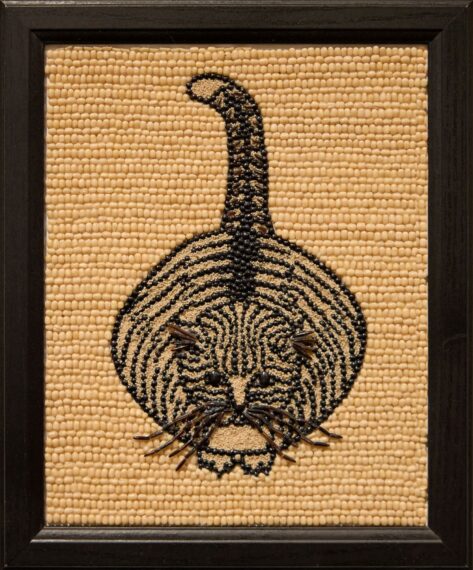
No. 2 Best interpretation of a Hidden Gem at Mia. Jacques Hnizdovsky, Tiger Cat II, 1978
Kaela Reinardy
Born 1980
St. Paul, Minnesota
Tiger Cat, 2026
Materials: black lentils, white lentils, black beans, wild rice, and white poppy seeds on canvas
I loved the bold black and white stripes on this cat I found in Mia’s collection online and decided to try replicating it in natural seeds.
No. 3 Hidden Gem at Mia
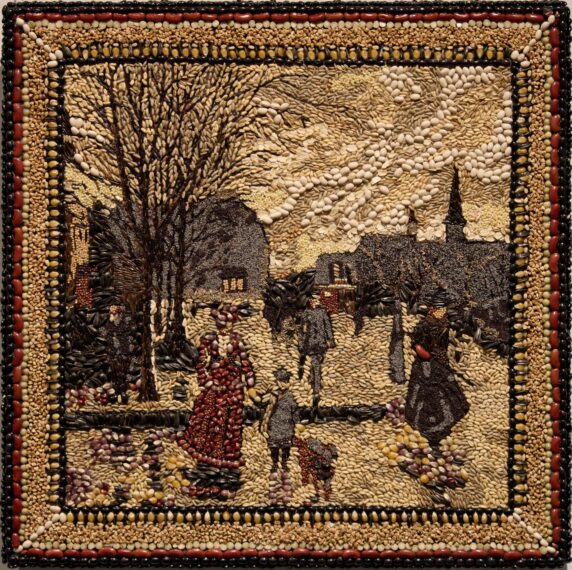
No. 3 Best interpretation of a Hidden Gem at Mia. Robert Koehler, Rainy Evening on Hennepin Avenue, c. 1902
Megan Bell
Born 1974
Richfield, Minnesota
Rainy Evening on Hennepin Avenue—Crop Art Edition, 2026
Materials: canola, wild rice, red quinoa, millet, oat groats, rye berries, mustard seed, wheatberry, navy beans, buckwheat groats, split green peas, kidney beans, black beans, poppy seed, popcorn, barley and sunflower seeds on cradled panel
When I was younger, my dream career choices fluctuated between musician and naturalist. Through some fluke or perhaps as a result of watching too many Bob Ross programs over summer vacations, I became a full-time painter instead. In the 30+ years I’ve been painting, my love of music and nature has always been inspirational and integral to the creation of my work. The crop art exhibit at the Minnesota State Fair has been a favorite stop for years, and though I only started creating my own crop art in 2025, I feel like it’s a natural progression from my works in oil and acrylic.
No. 4 Hidden Gem at Mia
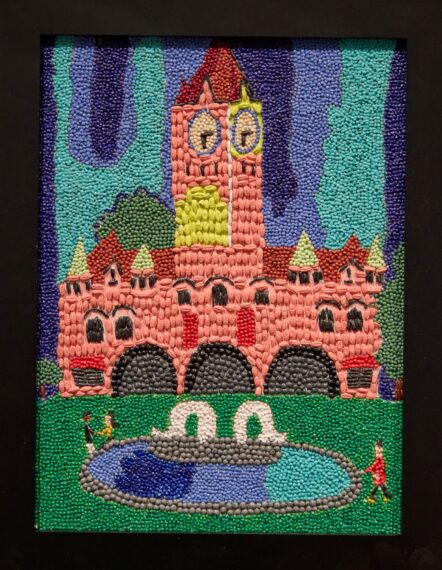
No. 4 Best interpretation of a Hidden Gem at Mia. Ernst Ludwig Kirchner, Zurich, 1926
Stephanie Schempp
Born 1980
West Saint Paul, Minnesota
St. Paul, 2026, 2026
Materials: quinoa, millet, poppy seed, mustard seed, wild rice, barley, and black lentils on canvas
I saw the Zurich piece by Ernst Ludwig Kirchner on a visit to Mia and immediately was struck by how much the buildings reminded me of St. Paul and the Landmark Center. I tried to use Kirchner’s style and colors in my reinterpretation. For my depiction of Rice Park and the fountain in front, I found Kirchner had done a piece with a fountain and grass called View of Dresden. I liked that these pieces were made a hundred years ago in Europe but remind me of home in 2026.
About the Exhibition
Come enjoy crop art without the crowds! “Cream of the Crop: The Second Harvest” presents more than 20 works by crop artists, featuring the five that earned the coveted “Best in Show” ribbons. The exhibition is free and is on view through November 29, 2026, in the Katherine Kierland Herberger Gallery, Community Commons.