
Bon Voyage!
By Tara Kaushik
July 10, 2026—Everyone loves a summer vacation. Even the artworks in Mia’s collection, a group of which is packing its bags—er…getting packed, into boxes, to be loaded into shipping containers—for France, heading out on loan for an array of exhibitions.
Loans are a common thing between museums. They’re a form of cultural diplomacy, built on long-standing relationships among curators, registrars, and institutional leadership. Each loan requires rigorous checks of a museum’s climate and security. Curators and registrars must also verify if the objects in question are going to be able to make a cross-continental journey, or if they’re too fragile, likely to become stressed by travel (who among us hasn’t?).
Loans allow for works of art to be shown to new audiences, in new contexts, opening the door for all kinds of cultural exchange in the process. “Mia has long believed that American art is best understood in conversation with the world, not in isolation from it,” says Katie Luber, Nivin and Duncan MacMillan Director and President.
Casey Riley, Chair of Global Contemporary Art, sees the value of loans as extending beyond the walls of museums. “It’s so important for institutions to be generous with one another,” she says. “When we are, our ability to manifest richer and deeper and more nuanced conversations, not just about culture, but about each other, about our common problems worldwide, increases. I really believe that art is an important means for us to come together and understand and discuss difficult things.”
If you also happen to be traveling to France this summer, keep an eye out for these highlights from Mia’s collection.
Matisse Went Back to Nice
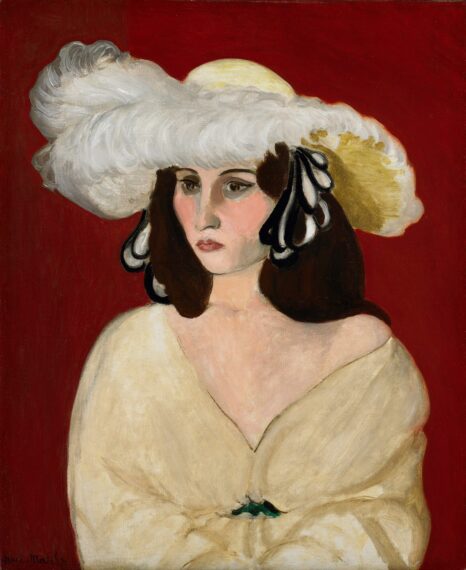
Henri Matisse (French, 1869–1954), White Plumes, 1919, oil on canvas. The William Hood Dunwoody Fund, 47.41
Artwork: Henri Matisse, White Plumes (1919)
Destination: Musée Matisse, Nice
Exhibition: “Henri Matisse—Yves Saint Laurent”
In 1917, Henri Matisse hired 19-year-old Antoinette Arnaud to be his primary model during the winters he spent in Nice, France. White Plumes shows Arnaud sporting an extravagant hat of the artist’s own design. Following his usual practice of hunting for a subject’s “essence,” Matisse made countless drawn and painted sketches before synthesizing his findings into this final, finished painting.
It returned to Nice this summer as part of an exhibition placing Matisse in dialogue with legendary fashion designer Yves Saint Laurent.
Calder in Paris

Alexander Calder (American, 1898–1976), Ahab, 1953, painted metal. Gift of Bruce B. Dayton and Mr. and Mrs. Gerald A. Erickson, by exchange, 83.77a-f
Artwork: Alexander Calder, Ahab (1953)
Destination: Fondation Louis Vuitton, Paris
Exhibition: “Calder. Rêver en équilibre” (Calder. Dreaming in Balance)
Fascinated by mechanical gadgets since childhood, Alexander Calder introduced a new dimension to sculpture in 1930s Paris: motion. Fellow artist Marcel Duchamp dubbed the moving sculptures “mobiles.” Ahab, the largest of these, uses steel rods and irregular disks to evoke the natural world. Its title is a nod to the maniacal sea captain from Herman Melville’s Moby Dick.
This summer, the sculpture will be part of a retrospective spanning 50 years of Calder’s work. “Calder’s mobiles—floating within Frank Gehry’s architecture—transform the exhibition into a choreographed dance,” according to the foundation.
Monet Heads to Le Havre
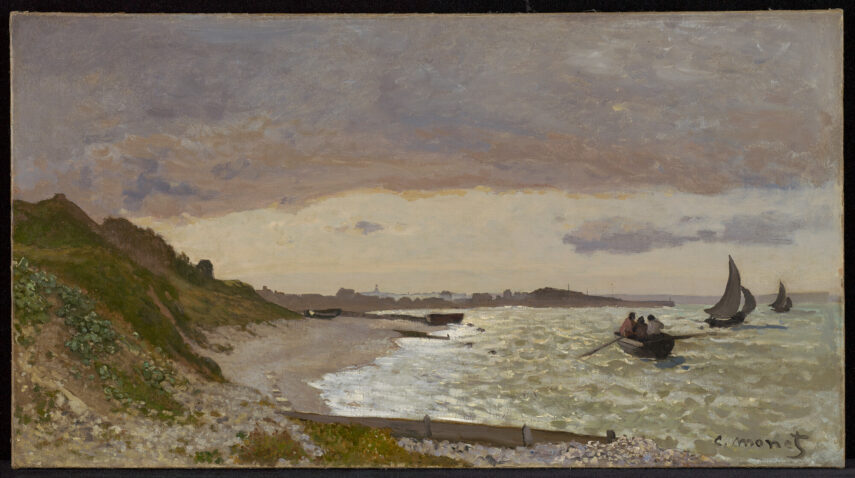
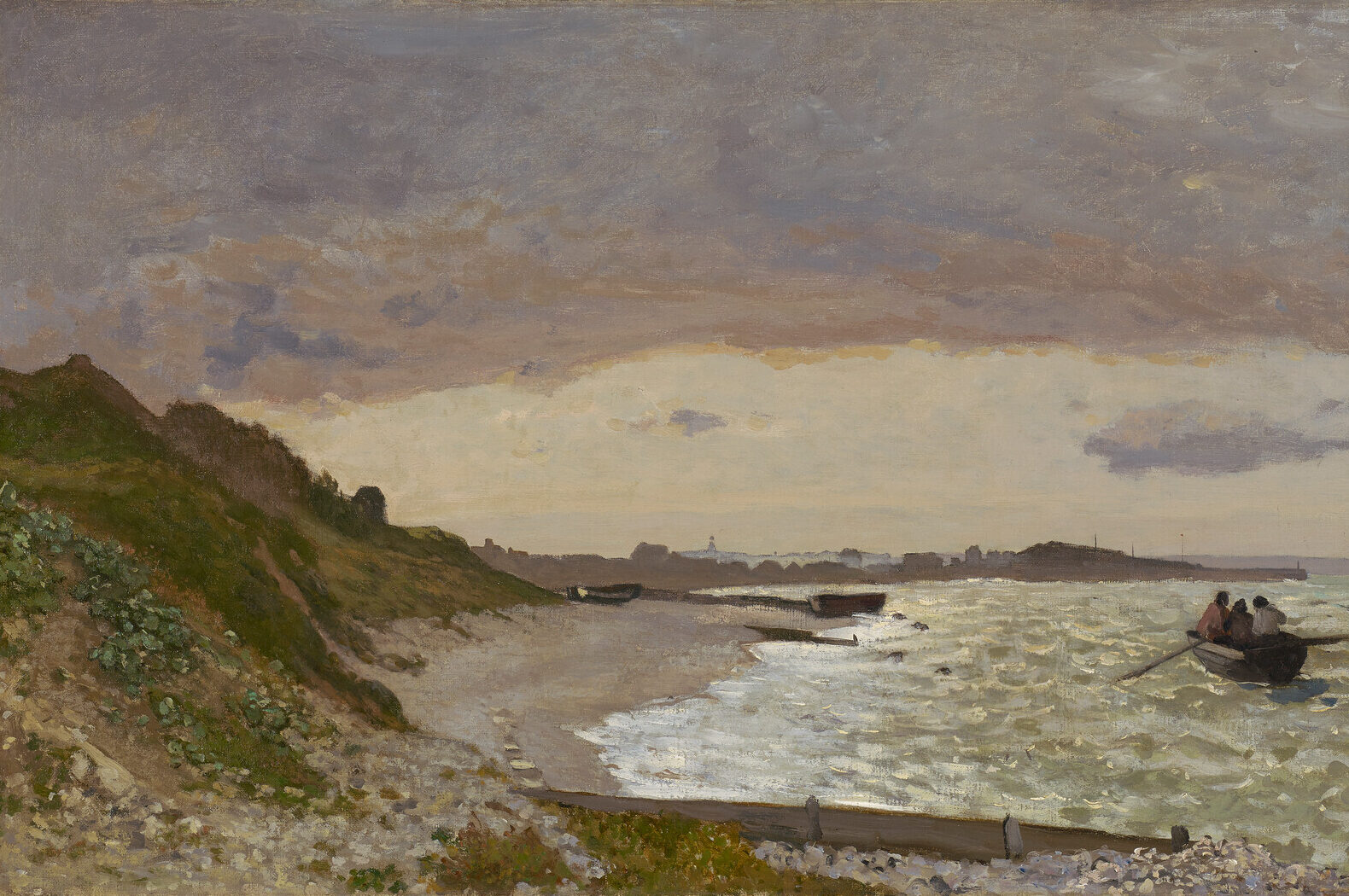
Claude Monet (French, 1840–1926), The Seashore at Sainte-Adresse, 1864, oil on canvas. Gift of Mr. and Mrs. Theodore Bennett, 53.13
Artwork: Claude Monet, The Seashore at Sainte-Adresse (1864)
Destination: The Museum of Modern Art André Malraux (MuMa), Le Havre
Exhibition: “Monet in Le Havre”
One of Monet’s first oil paintings, The Seashore at Sainte-Adresse bears hallmarks of what would later become his signature style: fractured brushstrokes, with vibrant colors juxtaposed instead of carefully blended—as was the artistic custom of the time.
The painting is traveling to Le Havre, the city where the artist spent 30 years shaping his gaze and technique, to join an exhibition marking the centenary of Monet’s death.
Group Trip
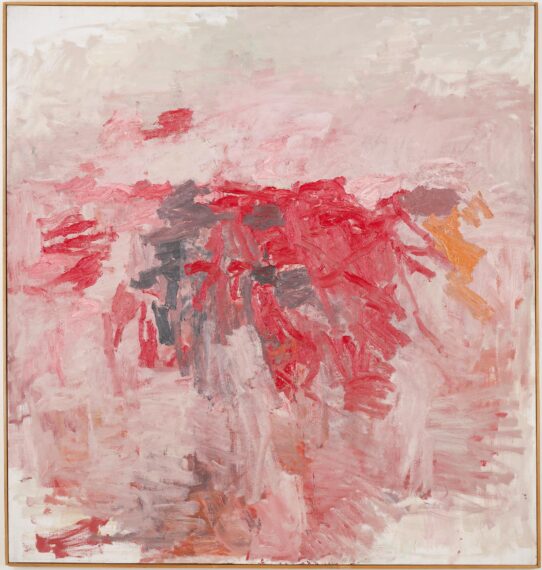
Philip Guston (American [born Canada], 1913–1980), Bronze, 1955, oil on canvas. The Julia B. Bigelow Fund, 58.34
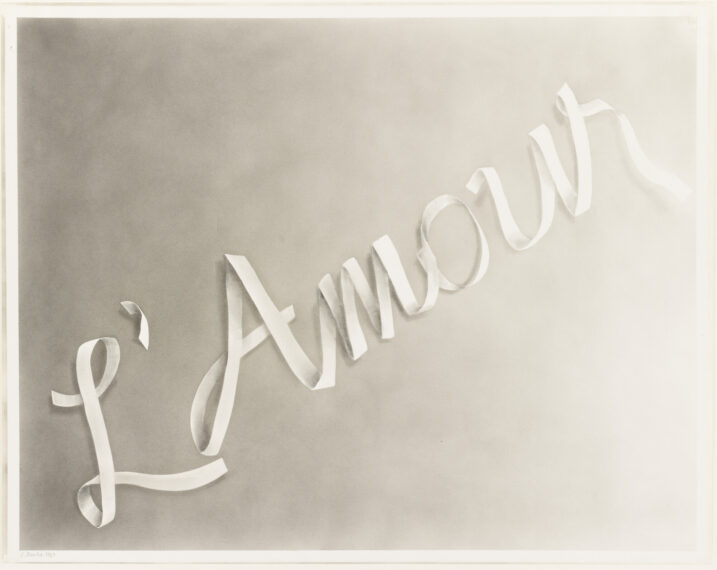
Edward Ruscha (American, born 1937), L’Amour, 1967, graphite with stumping on paper. The David M. Daniels Fund, 72.50
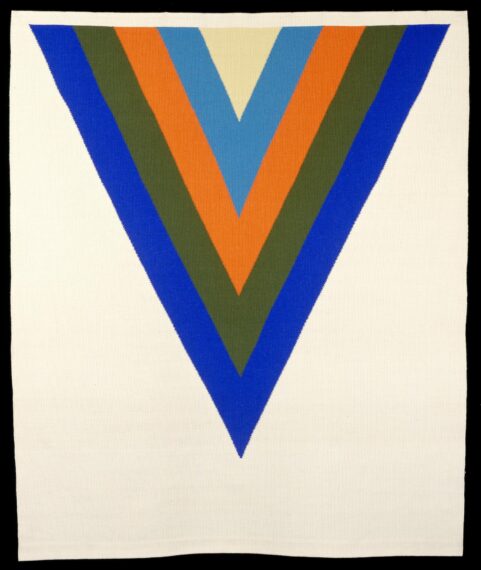
Kenneth Noland (American, 1924–2010), Ramona Sakiestewa, weaver, Ute Point, 1991, wool, tapestry. Gift of the Estate of Gloria F. Ross, 99.99.1
Artworks: Philip Guston, Bronze (1955); Edward Ruscha, L’Amour (1967); Kenneth Noland, Ramona Sakiestewa (weaver), Ute Point (1991)
Destination: Musée d’art moderne et contemporain de Saint-Étienne (MAMC+), Saint-Étienne
Exhibition: “Flying Colors: A Dialogue with the Collections of the Minneapolis Institute of Art”
Mia is sending a host of midcentury and contemporary American artworks to MAMC+ as part of a major Franco-American exchange via the FRAME network. “Flying Colors” brings together 164 works by 46 American artists drawn from both Mia and MAMC+ collections, tracing major currents in American art from 1950 to the present.
Featured from Mia’s collection are Philip Guston’s Bronze, an abstract painting inspired by the dramatic color, gesture, and movement of the European Baroque masters; Edward Ruscha’s L’Amour, a paper-ribbon illusion of the French word for love; and Kenneth Noland’s Ute Point, a striking tapestry brought to life by Hopi artist and weaver Ramona Sakiestewa.