
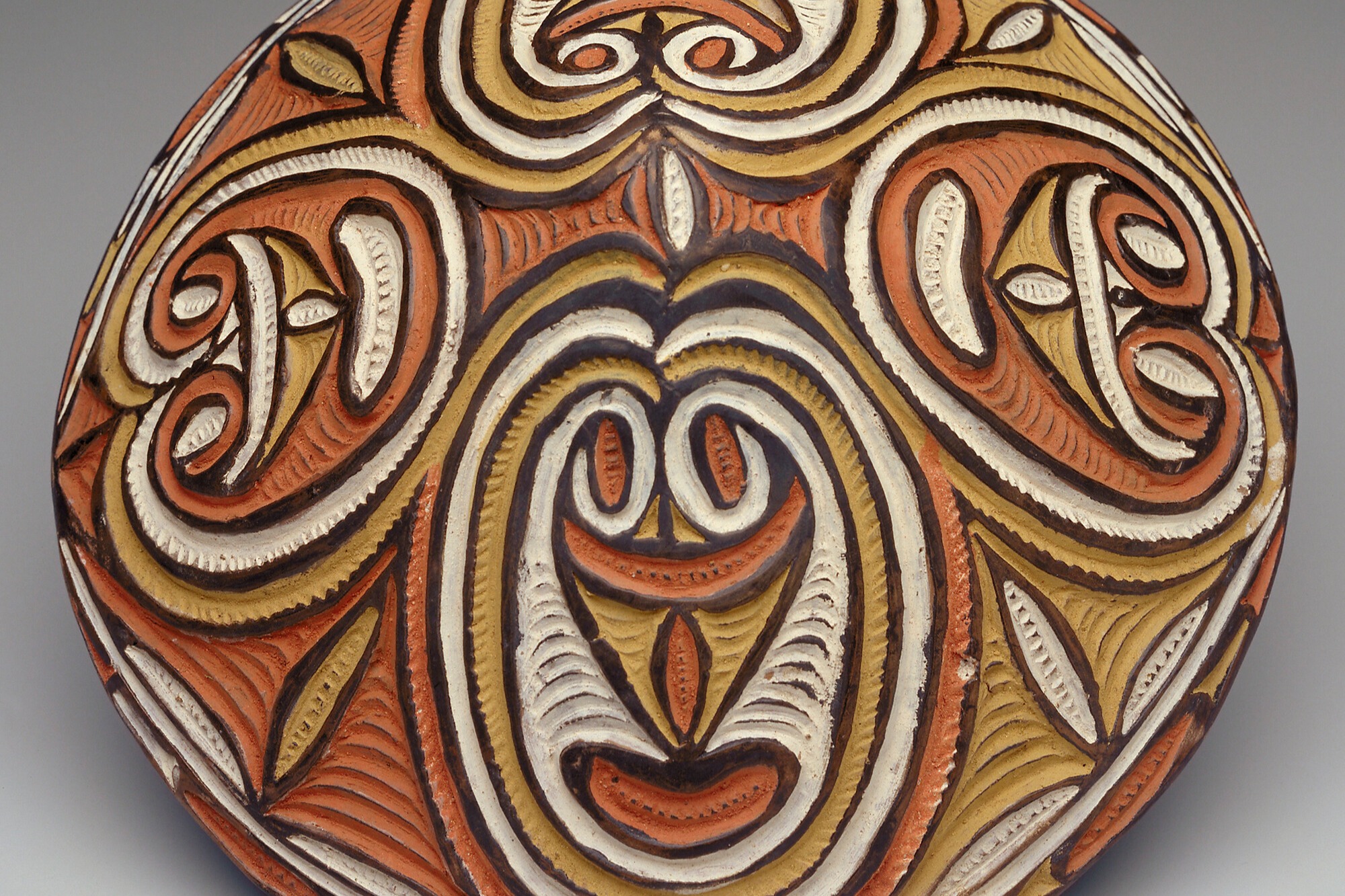
Asian American and Pacific Islander Artists
Celebrate the exceptional historical and contemporary creative achievements of Asian American and Pacific Islander artists with videos, stories, and more. With one of the nation’s most comprehensive collections of the arts of Asia, Mia is a vibrant resource for the appreciation of Asian cultural heritage, both past and present.
Now on View
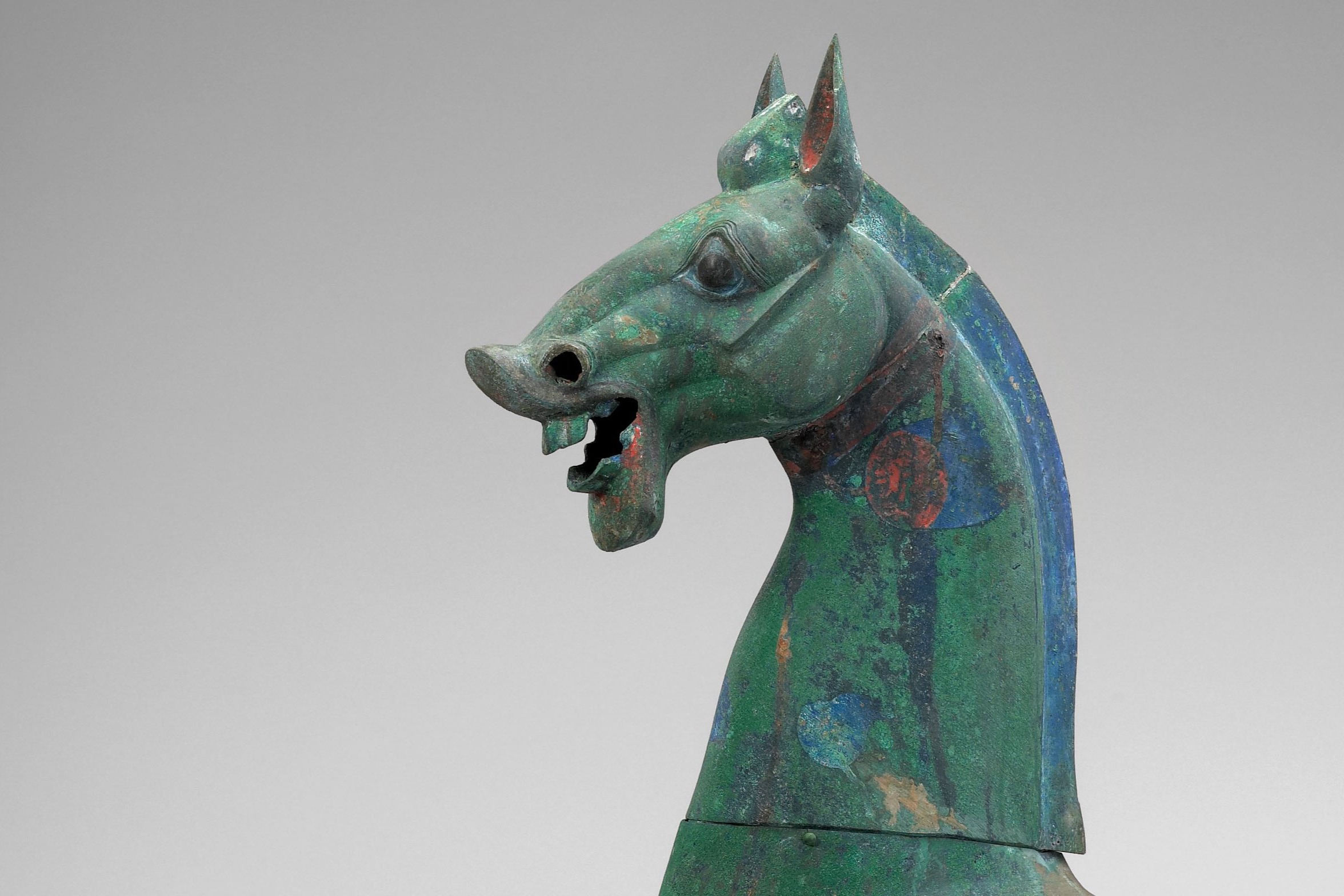
Year of the Horse: Hoofbeats through Time
February 18, 2026 – August 9, 2026
This exhibition explores the horse as both a real creature and a cultural emblem—embodying strength, status, virtue, and aspiration. From ritual bronzes to scholar’s miniatures, imperial scrolls to popular expressions, the horse reveals a rich interplay of mythology, mobility, and meaning.
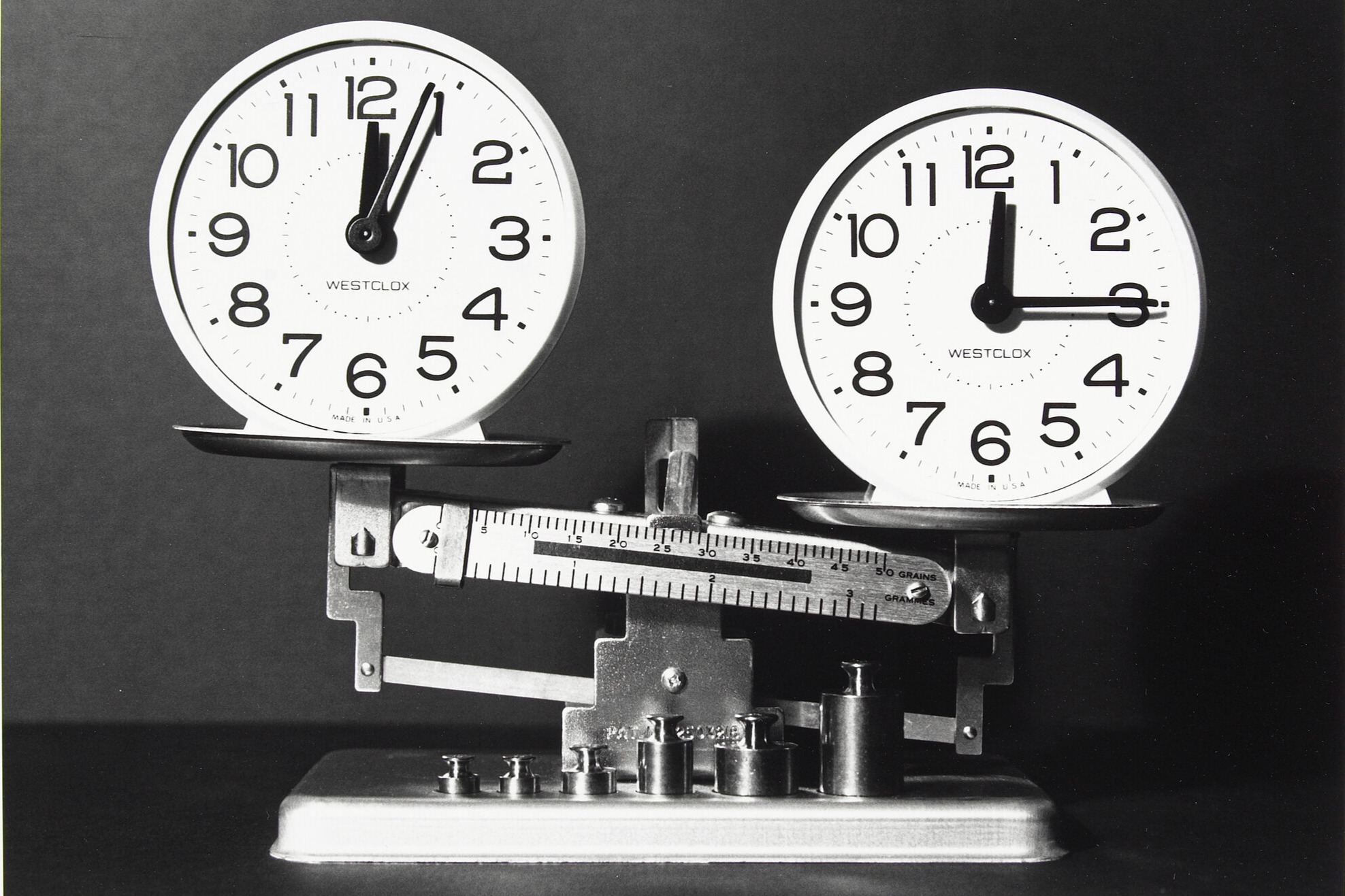
Kenji Nakahashi: A Confident Life
April 4, 2026 – December 27, 2026
Contemplative, humorous, inventive, and surreal. These are just a few of many apt descriptions of the artworks of the Japanese artist Kenji Nakahashi. Celebrating a recent anonymous gift of Nakahashi’s work to Mia’s collection, this exhibition showcases more than 60 photographs, prints, drawings, watercolors, collages, and one painting, representing the artist’s career from the 1970s through the early 1990s.
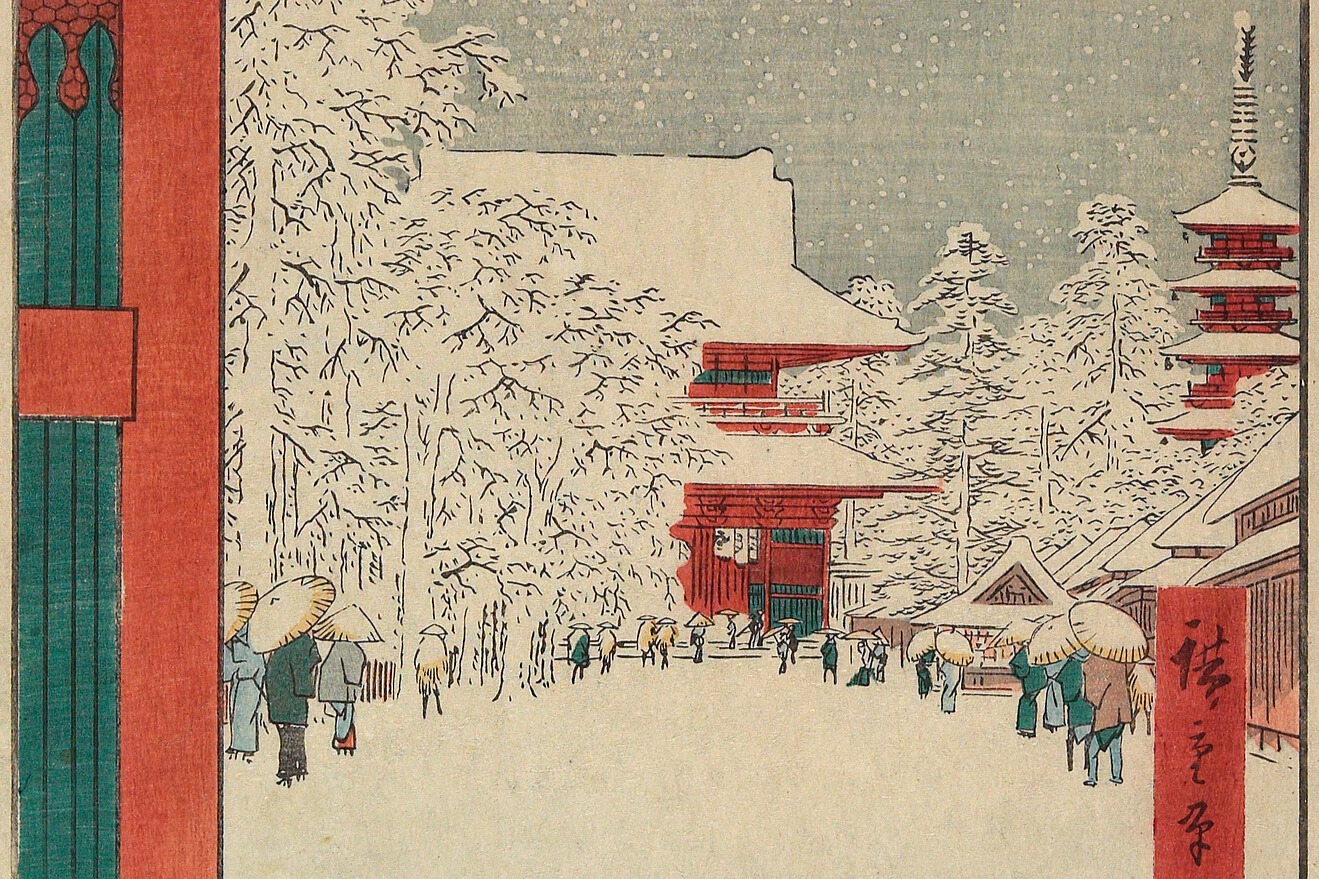
Hiroshige’s 100 Views of Edo x Emily Allchurch
December 20, 2025 – August 23, 2026
Inspired by Utagawa Hiroshige’s (1797–1858) iconic landscape series “One Hundred Famous Views of Edo” (modern-day Tokyo), British artist Emily Allchurch (born 1974) created “Tokyo Story” using digital collage and photography. This exhibition connects the past and the present by featuring Hiroshige’s captivating sceneries along with Allchurch’s modern adaptations.
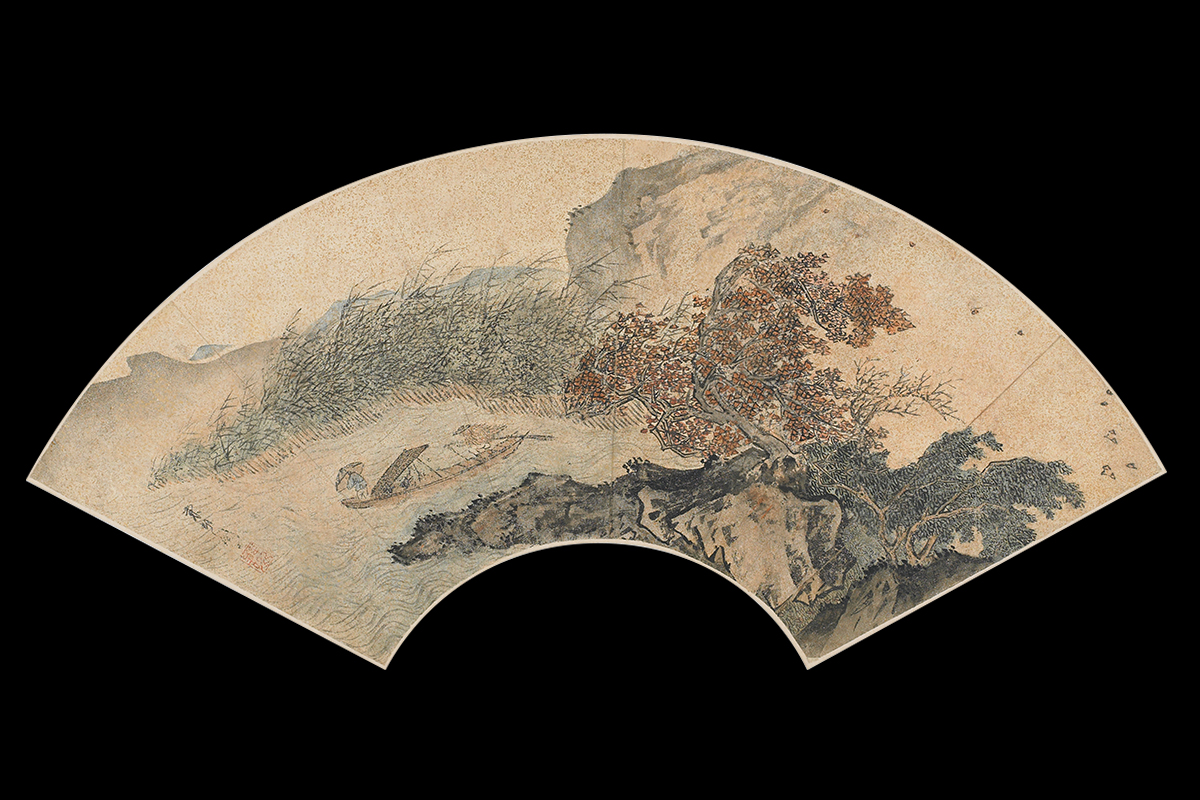
Ink Rhythms on the Breeze: The Art of Chinese Fan Paintings
November 29, 2025 – November 8, 2026
This exhibition explores the intimate world of Chinese fan painting—where poetry, calligraphy, and painted images converge in the palm of the hand. Featuring circular silk fans from the Song and Yuan dynasties (10th–14th centuries) and folding fans from the Ming and Qing period (14th–early 20th centuries), these works reflect centuries of refined aesthetic practice, personal expression, seasonal contemplation, and spiritual reflection.

The Abstract Worlds of Yoshida Hodaka and Chizuko
September 20, 2025 – October 4, 2026
Yoshida Hodaka (1926–1995) was born into a family of artists. He was the second son of Yoshida Hiroshi (1876–1950), a leading Western-style artist in Japan during the early 20th century. Hodaka leaned toward abstraction and began exploring that path after his father’s death in 1950. In 1953, Hodaka married Chizuko (1924–2017), a trained painter. In addition to oil painting, both Hodaka and Chizuko worked in the woodblock print medium. In 1992, Hodaka created a set of six extraordinarily large prints that depict walls with great attention to structural features and surface details. This exhibition showcases the entire wall set together for the first time, along with Chizuko’s abstract works and playful groups of butterflies.

Painted Poetry: Art of the Rajput Courts
May 10, 2025 – May 10, 2026
Rajput paintings evoke many moods and senses. They tell stories about the beliefs, desires, myths, poetry, and power that shaped the royal Rajput courts of northern India during the 16th to 19th centuries. Rajput artists chose subject matter that was meant to engage all of our senses (taste, touch, smell, sound, and sight) and elicit emotional responses—an aesthetic experience known as rasa. Love, laughter, fury, compassion, disgust, horror, heroism, wonder, and tranquility are the nine rasas of Indian aesthetics and offer one way to interpret Rajput paintings.

Tibetan Buddhist Shrine Room: The Alice S. Kandell Collection
“Tibetan Buddhist Shrine Room: The Alice S. Kandell Collection” includes more than 200 gilt-bronze sculptures, paintings, silk hangings, and carpets that were created in Tibet between the 1300s and early 1900s. Buddhist ritual objects are displayed in the context of an elaborate private household shrine, a space used for offerings, devotional prayer, rituals, and contemplation.
Explore the Art

Explore
Explore artwork by Asian, Asian American, and Pacific Islander artists in Mia’s collection.
Podcasts

The Object podcast explores the surprising, true stories behind museum objects with wit and curiosity. An object’s view of us. Hosted by Tim Gihring, produced by Mia.
The Ghost of Hokusai
Finding Buddha: The Collector at the Top of the World
Fire and Rain: The Dragons Next Door
Past Exhibitions
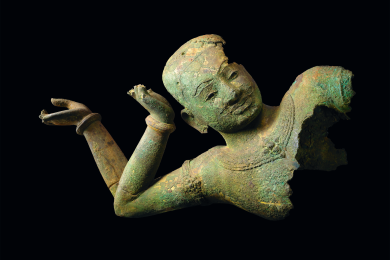
Royal Bronzes: Cambodian Art of the Divine
October 25, 2025 – January 18, 2026
Step into the splendor of Cambodia’s Khmer Empire in “Royal Bronzes: Cambodian Art of the Divine,” a groundbreaking exhibition in collaboration with the Guimet – National Museum of Asian Arts, France, and the National Museum of Cambodia. While Angkor’s monumental stone temples are world renowned, this exhibition highlights the empire’s exquisite bronze artistry—statues, ritual objects, and artifacts that reveal a fascinating blend of artistic mastery, religious devotion, and royal power.

Transcendent Clay: The Kondō Family’s Path of Porcelain Innovations
March 1–September 7, 2025
Spanning almost a century of creativity, “Transcendent Clay” offers a panoramic look at the achievements of the Kondō family of ceramicists based in Kyoto, Japan. The legacy of porcelain-making began with Kondō Yūzō (1902–1985) in the 1930s and continued with his sons Yutaka (1932–1983) and Hiroshi (1936–2012), who broke free to pursue original, individual expressions. Ultimately it was the grandson Takahiro (born 1958) who emerged as the family’s greatest innovator by developing the secret technique of applying a “silver mist” (gintekisai) of metallic droplets to his modern forms.

Hokusai | Monet
February 8–August 10, 2025
In 1897, the French painter Claude Monet made four paintings of the chrysanthemums in his garden in Giverny, capturing them not in a vase but en plein air—painting the flowers as they grew. He had been an avid collector of Japanese prints since the 1870s, and his unexpected, expressive use of space in this experiment recalls the Large Flowers series of prints made between 1833 and 1834 by Katsushika Hokusai. This exhibition brings the Large Flowers and Chrysanthemums series into conversation, exploring the symbiotic artistic connections between Japan and France in the 19th century.

And More by More They Dream Their Sleep: Mezzotints by Yōzō Hamaguchi
November 27, 2024–July 20, 2025
Yōzō Hamaguchi (1909–2000) was a master of color mezzotints, a technique that allowed printmakers to reproduce complex details of an artwork. Photography had rendered it obsolete by the 1900s, but Hamaguchi revived the technique after encountering it during a stay in Paris in the 1930s. There, he met American poet e.e. cummings, who gifted him a tool to achieve the signature tones in mezzotint. In the 1980s, Hamaguchi paid homage to the poet with the “e.e. cummings suite” of prints titled with lines from the poem “anyone lived in a pretty how town.”

From the Divine to the Mortal: Storytelling in Chinese Painting
October 26, 2024–October 19, 2025
The narrative painting genre has been popular in Chinese art since the Han dynasty nearly 2,000 years ago. The subjects of these paintings vary widely, from mythology and classic literature to history and political satire. For centuries, the most popular subjects were transcendent scenes evoking Buddhist and Taoist doctrines. Over time, many artists shifted their focus to the more mundane world—scenes of scholar-officials and ordinary people going about their lives.

Catch of the Day: Humans and Marine Animals in Japan
October 12, 2024–July 27, 2025
Living on an archipelago, surrounded by water on all sides, the Japanese have always had a close relationship with the sea. The marine life depicted in Japanese art, however, is often more symbolic than real, meant to convey literary, visual, or seasonal associations. Sometimes, even the connections to the sea are abstract, such as geometric patterns meant to evoke fishnets or scales on dishes and clothing. This exhibition explores the sea creatures that permeate Japanese art and culture, and dives into their deeper meaning.
Program Videos
Watch videos about Asian American and Pacific Islander artists, including Tiffany Chung, Noriko Furunishi, Pao Her, Sieng Lee, Wing Young Huie, Chamindika Wanduragala, and Marcus Young