
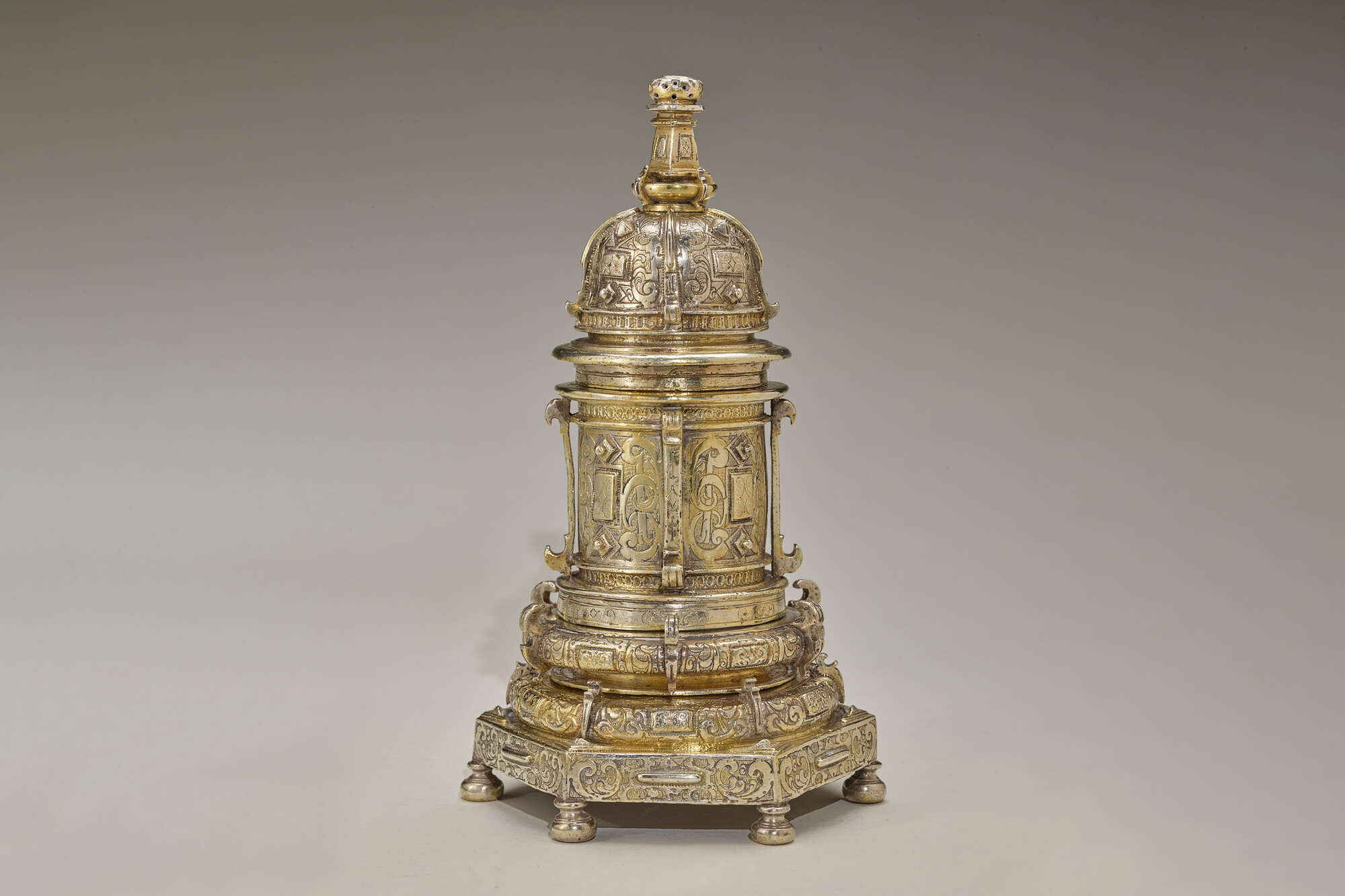
Hispanic Heritage at Mia
Celebrate and honor the rich and diverse cultures, traditions, and histories of Latin and Hispanic communities.
On View Now
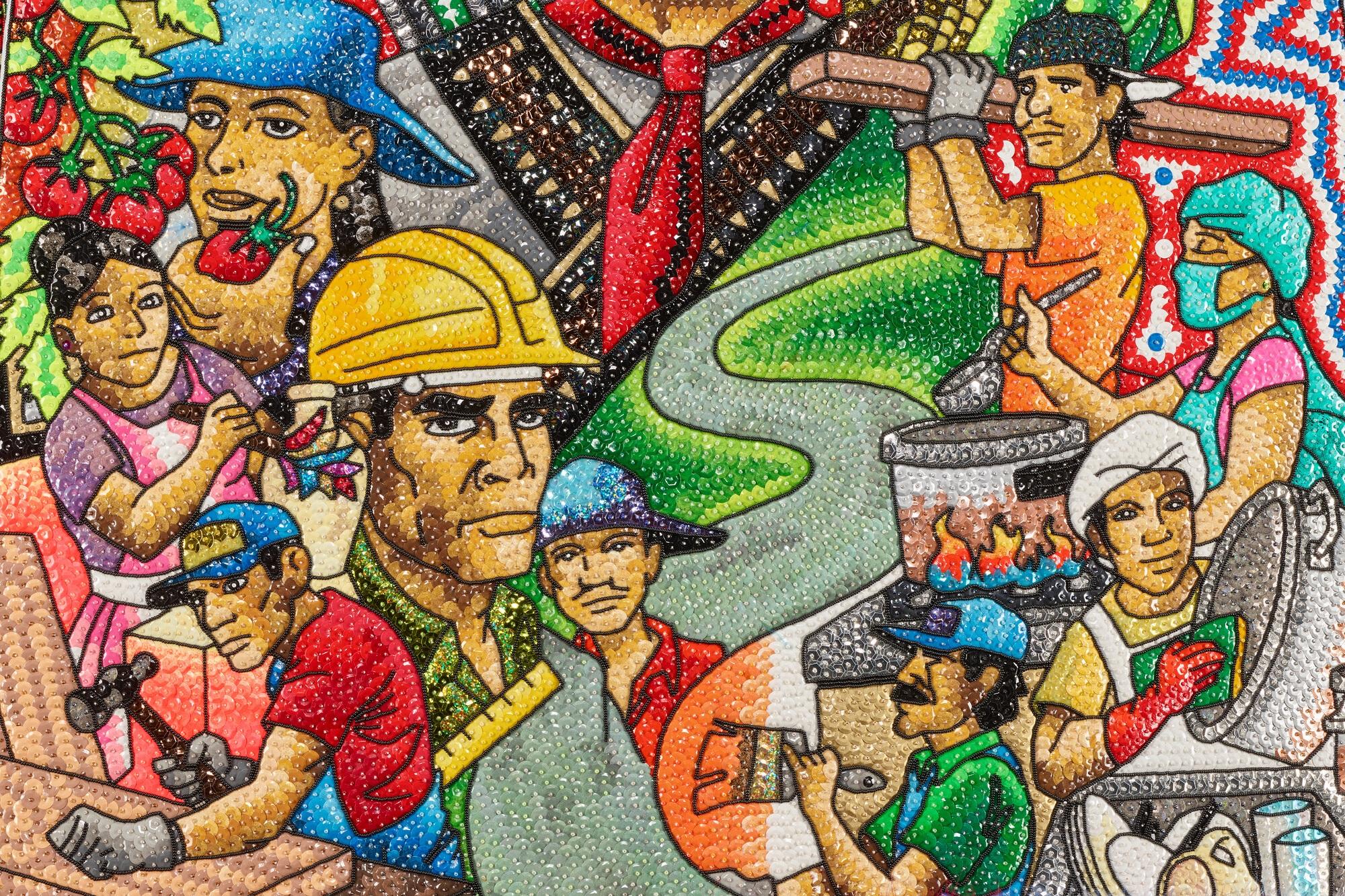
“Immigrants”: A Gift from Morelos to Mia
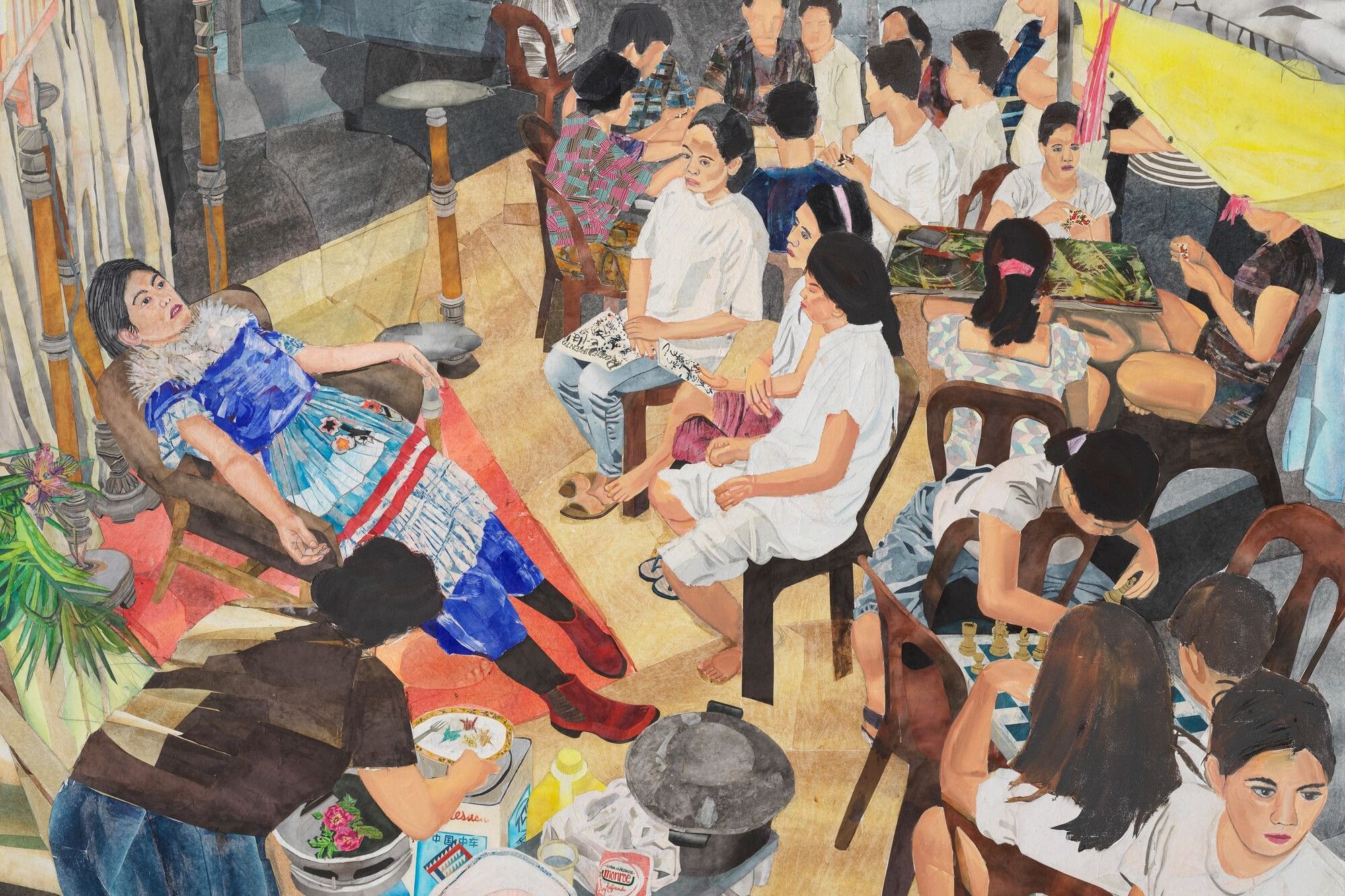
Explore the Art

Explore Art by Hispanic and Hispanic American Artists in Mia’s Collection
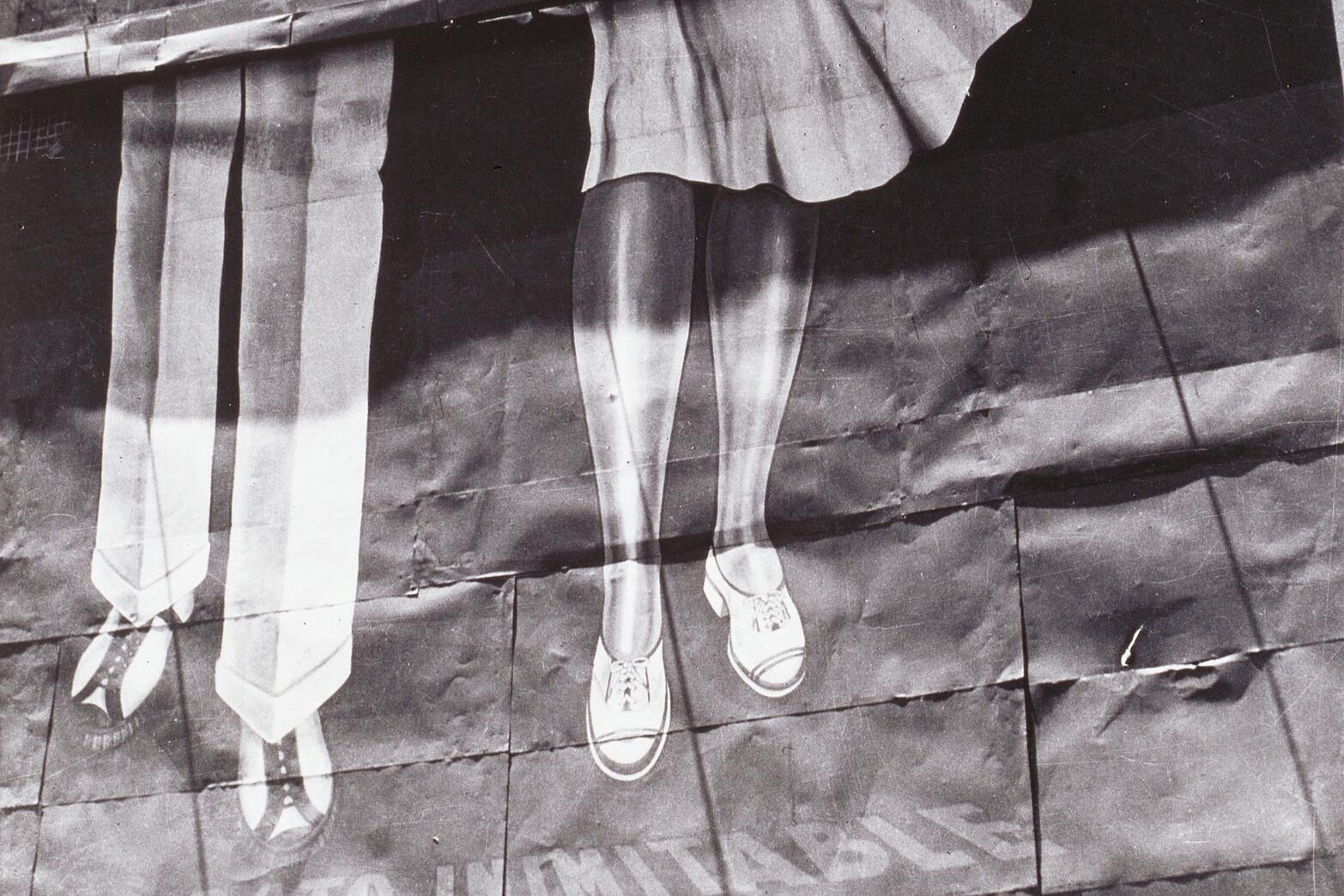
Previous Exhibitions
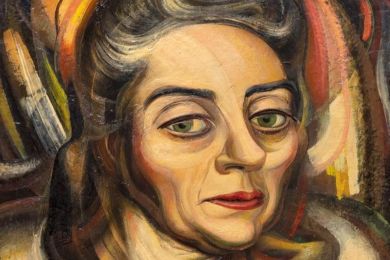
Meeting Point: The Mary Ingebrand-Pohlad Collection of Latin American Art
This exhibition features paintings, sculptures, and religious images and how American and Latin American cultures intersect.

José María Velasco: A View of Mexico
This exhibition celebrated one of the greatest 19th-century landscape painters in the Americas. Velasco painted panoramic views of the Valley of Mexico, home of modern-day Mexico City, with exquisite detail, honoring the country’s rich historical heritage and the rapid modernization it underwent in the late 1800s.
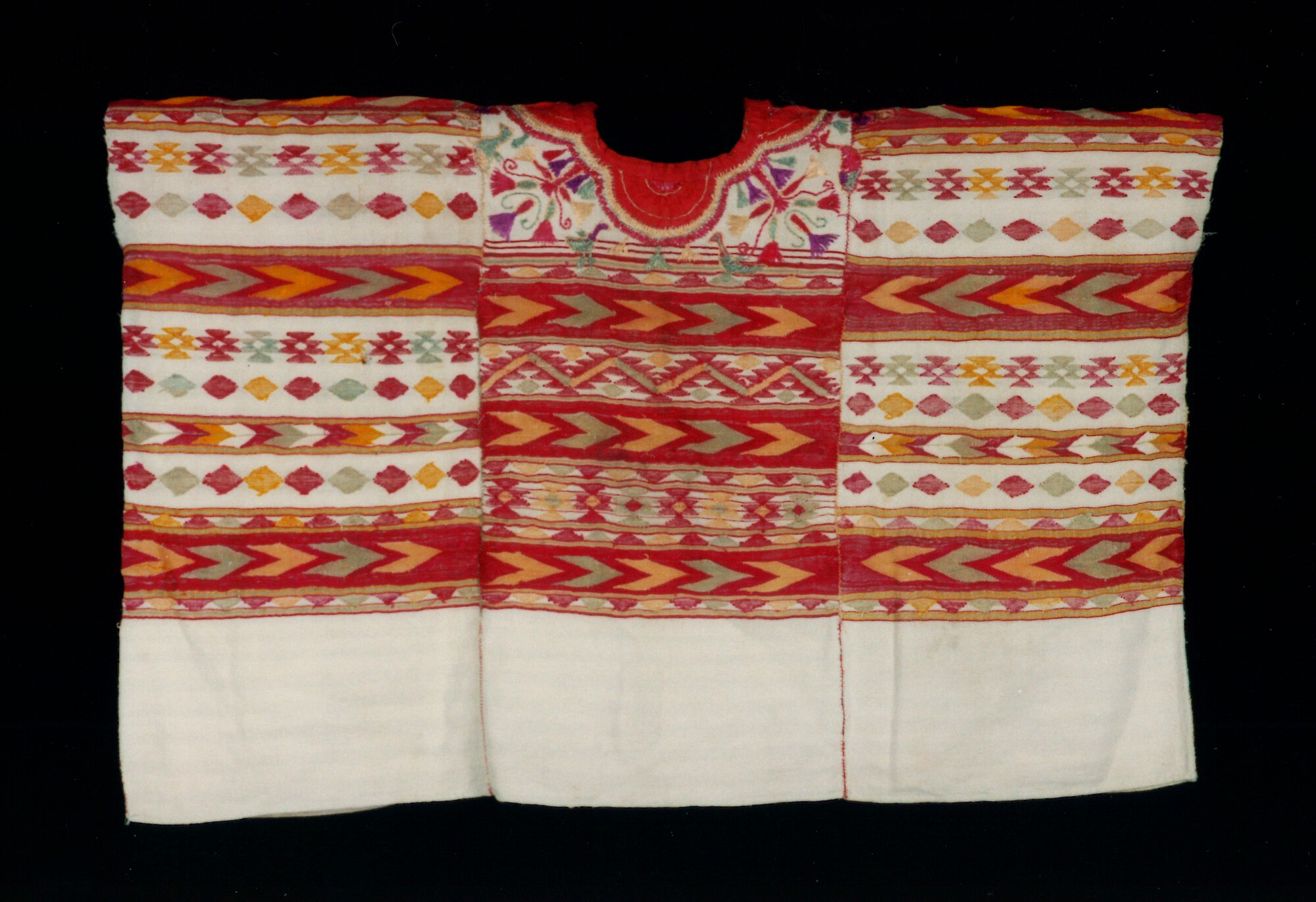
An Indigenous Art: Huipiles from Mia’s Collection
Derived from a Nahuatl word, a huipil is a traditional blouse worn by women throughout Mesoamerica, particularly among the Maya, since before the 16th century when Spanish explorers arrived in the region. The garment remains especially prevalent in Guatemala’s highland regions, where a majority of Maya descendants reside today.
Podcasts

Endless Summer: Can You Really Leave It All Behind?
Santiago Rusiñol is a newly married heir to a Barcelona textile fortune when he decides to become an artist in Paris instead, in the 1880s, influencing Picasso and inventing a new vocabulary for modern art. But when he comes across an idyllic seaside village, back in Spain, his quest for meaning becomes a question: what are we running from? Can we be satisfied with what already exists?
You can see one of Rusiñol’s stunning patio pictures, recently acquired by the Minneapolis Institute of Art, now through the end of the month in the museum’s lobby.

Goodbye, Columbus: Frida and Diego’s American Dream
In the fall of 1930, Frida Kahlo and Diego Rivera travel to the United States for the first time, welcomed as celebrity artists, ambassadors of an ancient and powerful Latin American identity. But as the months turn to years, can Rivera’s vision of one united Pan-America–and their young marriage–survive the pressures of politics, fame, temptation, cultural differences, and scandal?
You can see examples of Diego Rivera’s work, and that of other modernist Mexican artists, in the collection of the Minneapolis Institute of Art here.

The Miracle of Saint Frida
When Frida Kahlo dies, in 1954, she is soon forgotten. And then, suddenly, she seems to be everywhere: on magnets, puzzles, underwear, flip-flops. How did this remarkable artist become an international icon, an emoji, a figure of fervid devotion? And what does she mean to those who believe?
You can see Yasumasa Morimura’s “An Inner Dialogue with Frida Kahlo,” mentioned in the show, in the collection of the Minneapolis Institute of Art here.
Have you heard Frida Kahlo talk? Neither has anyone else–not since she died, in 1954. Unless it turns out that this is actually her, on a recording surfaced a couple years ago by the National Sound Library of Mexico.

Flying Too Close to the Sun
Kehinde Wiley, long before he painted President Obama’s official portrait, went to Brazil. There, he was inspired by a monument to the great aviator Alberto Santos-Dumont, whose incredible, tragic life is as forgotten in the United States as it is celebrated almost everywhere else. He created the mesmerizing painting Santos Dumont – The Father of Aviation II, now in Mia’s collection, based a curiously anguished aspect of the monument.